Leptospirosis: Education, Zoonosis & Vaccination
Leptospirosis: Education, Zoonosis & Vaccination
Leptospirosis is a disease that most pet owners have never heard of until it affects their dog. It is a serious bacterial infection that can cause life-threatening illness in dogs, spread silently through contaminated water and soil, and even pass from animals to people. As a zoonotic disease, leptospirosis in pets represents a genuine public health concern, not just a veterinary one. At Prairie Hills Animal Hospital in Cheyenne, WY, we want every pet owner to understand what leptospirosis is, how your dog might be exposed, and why the leptospirosis vaccine for dogs is one of the most valuable preventive tools available.
What Is Leptospirosis?
Leptospirosis is caused by bacteria called Leptospira, which exist in many environments across the United States and around the world. These bacteria thrive in warm, moist conditions and are most commonly found in standing water, mud, lakes, rivers, and soil contaminated by the urine of infected animals.
Dogs can become infected with leptospirosis through direct contact with contaminated water or soil: drinking from puddles, wading through streams, or even walking through a yard where infected wildlife has been present. The bacteria enter the body through mucous membranes or cuts in the skin and quickly spread to the kidneys, liver, and other organs.
Which Animals Carry Leptospira Bacteria?
Wildlife is the primary reservoir for leptospirosis. In Wyoming and across the Mountain West, the animals most commonly associated with carrying and shedding Leptospira bacteria include:
- Raccoons
- Rodents, including mice, rats, and voles
- Deer
- Skunks
- Opossums
- Cattle and other livestock
These animals shed the bacteria in their urine, which then contaminates water sources and soil. Your dog does not need to come into direct contact with wildlife to be exposed. The environment itself becomes the route of transmission. This is why leptospirosis in pets is more common than many people realize, even in suburban and rural settings like those found throughout Cheyenne and surrounding Laramie County.
Signs and Symptoms
One of the most challenging aspects of leptospirosis in pets is that the clinical signs can vary widely and often mimic other illnesses. Some dogs develop a mild, flu-like illness, while others progress rapidly to severe kidney or liver failure. Early recognition and veterinary intervention are critical.
Signs that may indicate leptospirosis in your dog include:
- Sudden onset of fever, lethargy, and loss of appetite
- Vomiting, diarrhea, or abdominal pain
- Increased thirst and urination or decreased urination in severe cases
- Muscle pain and reluctance to move
- Jaundice (yellowing of the skin, eyes, or gums)
- Difficulty breathing in severe cases
If your dog displays any combination of these signs, contact Prairie Hills Animal Hospital right away. The sooner leptospirosis is diagnosed and treated, the better the outcome. Diagnosis typically involves blood and urine testing, and treatment requires hospitalization, intravenous fluids, and antibiotics.
Leptospirosis as a Zoonotic Disease: Protecting Your Family
Among zoonotic diseases in pets, which are illnesses that can spread from animals to humans, leptospirosis is one of the most important to understand. According to the Centers for Disease Control and Prevention, leptospirosis infects over one million people globally each year and is considered a serious, though underreported, zoonotic threat in the United States.
People can contract leptospirosis through contact with the urine, blood, or tissue of an infected animal, or through exposure to contaminated water or soil. In a household where a dog has been diagnosed with leptospirosis, family members, particularly those who are immunocompromised, elderly, or very young, may face an elevated risk of exposure.
The zoonotic risk of leptospirosis is not theoretical for Wyoming residents as it has already played out here at home. In August 2023, the Wyoming Department of Health confirmed a probable human case of leptospirosis, the first reported in the state since 1983. The human case was linked to a concurrent canine outbreak in Laramie County, where 13 canine cases were reported between August and October of that year, with four dogs dying or being euthanized due to severe disease.
The response from public health officials and the veterinary community was swift, and vaccination rates in the affected community climbed significantly in the months that followed. After public outreach efforts, all responding veterinary clinics in the affected city reported recommending the leptospirosis vaccine more frequently to dog owners. It was a sobering reminder that leptospirosis in pets is not a distant risk for Cheyenne families, and that vaccination is one of the most direct ways to protect both your dog and your household.
How to Reduce Zoonotic Risk in Your Home
If your dog is diagnosed with leptospirosis, your veterinarian will provide specific guidance to minimize exposure to family members. General precautions include avoiding direct contact with your dog’s urine, wearing gloves when cleaning up after them, and washing hands thoroughly after any contact. Your physician should be notified so they can monitor for any signs of illness in household members.
This is precisely why pet vaccination importance cannot be overstated. A vaccinated dog is far less likely to contract leptospirosis, shed the bacteria, or pose any zoonotic risk to the people who share their home and life.
The Leptospirosis Vaccine for Dogs
The leptospirosis vaccine for dogs is a core recommendation for all dogs according to the American Animal Hospital Association Vaccination Guidelines, and Prairie Hills Animal Hospital considers it carefully for every canine patient in Cheyenne and the surrounding region.
Unlike some vaccines that protect against a single pathogen, the leptospirosis vaccine for dogs is designed to protect against multiple serovars, essentially different strains of the Leptospira bacteria. Modern vaccines typically cover four of the most clinically relevant serovars seen in North America.
Is the Lepto Vaccine Right for Your Dog?
Pet vaccination importance is always evaluated in the context of individual risk. When assessing whether the leptospirosis vaccine is right for your dog, your veterinarian will consider factors such as:
- Access to outdoor environments, particularly standing water, streams, puddles, or wooded areas
- Presence of wildlife near your home or on your property
- Participation in outdoor activities like hiking, hunting, swimming, or camping
- Geographic region and local disease prevalence
Dogs in Wyoming who spend time outdoors, whether in your backyard, on the trail, or in rural areas, face meaningful exposure risk. Even dogs that stay close to home may encounter contaminated soil or puddles without their owners realizing it.
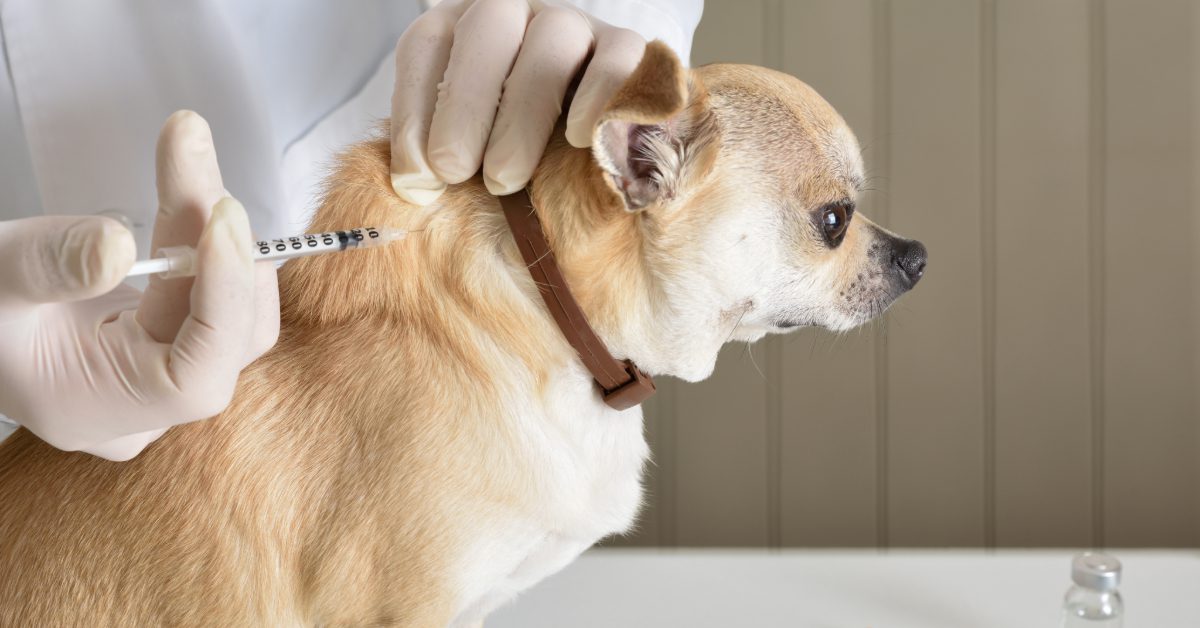
The leptospirosis vaccine for dogs requires an initial two-dose series followed by annual boosters. Like any vaccine, it carries a small risk of mild side effects, which your veterinarian will discuss with you. Overall, the protection offered by vaccination against a potentially fatal and zoonotic disease makes it a meaningful part of a proactive preventive care plan.
Prevention Beyond Vaccination
While vaccination is the most effective single tool for preventing leptospirosis in pets, there are additional steps you can take to reduce exposure risk.
- Avoid allowing your dog to drink from puddles, ponds, or other standing water sources, particularly after rainfall.
- Discourage wildlife from frequenting your yard by securing trash cans and removing food sources.
- After outdoor activities, rinse your dog’s paws and coat if they have been in areas where contaminated water may have been present.
These precautions are most effective when combined with regular wellness exams and up-to-date vaccinations. If it has been a while since your dog’s last preventive care visit, now is a great time to call Prairie Hills Animal Hospital to schedule an appointment. Our team can assess your dog’s risk for leptospirosis and other zoonotic diseases in pets, and make sure their vaccination status reflects their lifestyle and environment.
Take Leptospirosis Seriously – Your Dog and Your Family Will Thank You
Leptospirosis in pets is preventable, treatable when caught early, and a legitimate concern for families throughout Wyoming. Understanding the disease, recognizing the signs, appreciating the zoonotic risk, and keeping your dog’s vaccines current are all meaningful ways to protect the ones you love, the two-legged and four-legged members of your household alike.
Questions about the leptospirosis vaccine for dogs, pet vaccination importance, or your dog’s overall preventive care? Call or text Prairie Hills Animal Hospital in Cheyenne, WY at (307) 204-4461. We are here to help you make informed, confident decisions for your companion animal’s health.
Recent Posts
About Us
Prairie Hills Animal Hospital in Cheyenne, WY provides connection-centered veterinary care designed to give pets and their people time, clarity, and support through every stage of life.