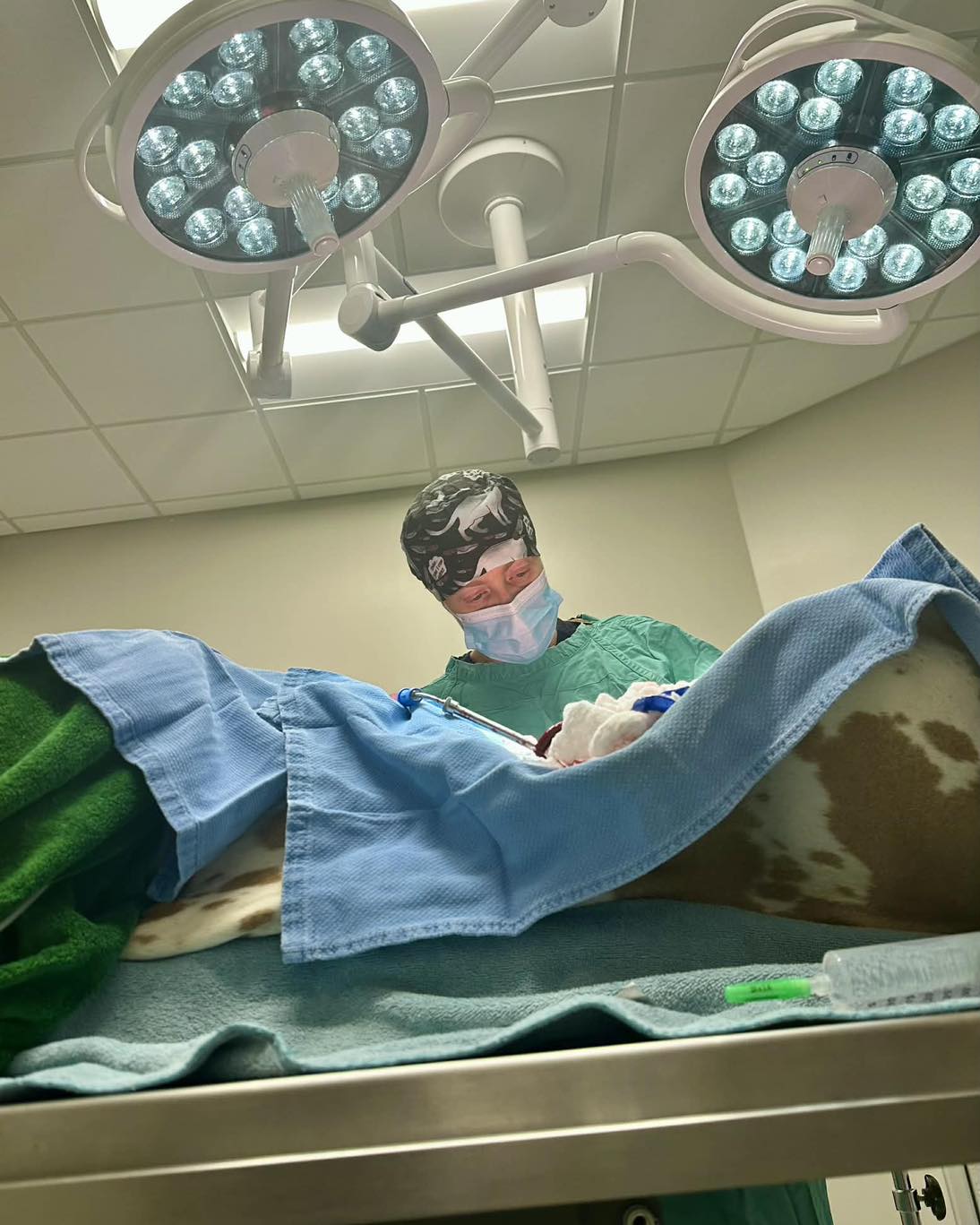
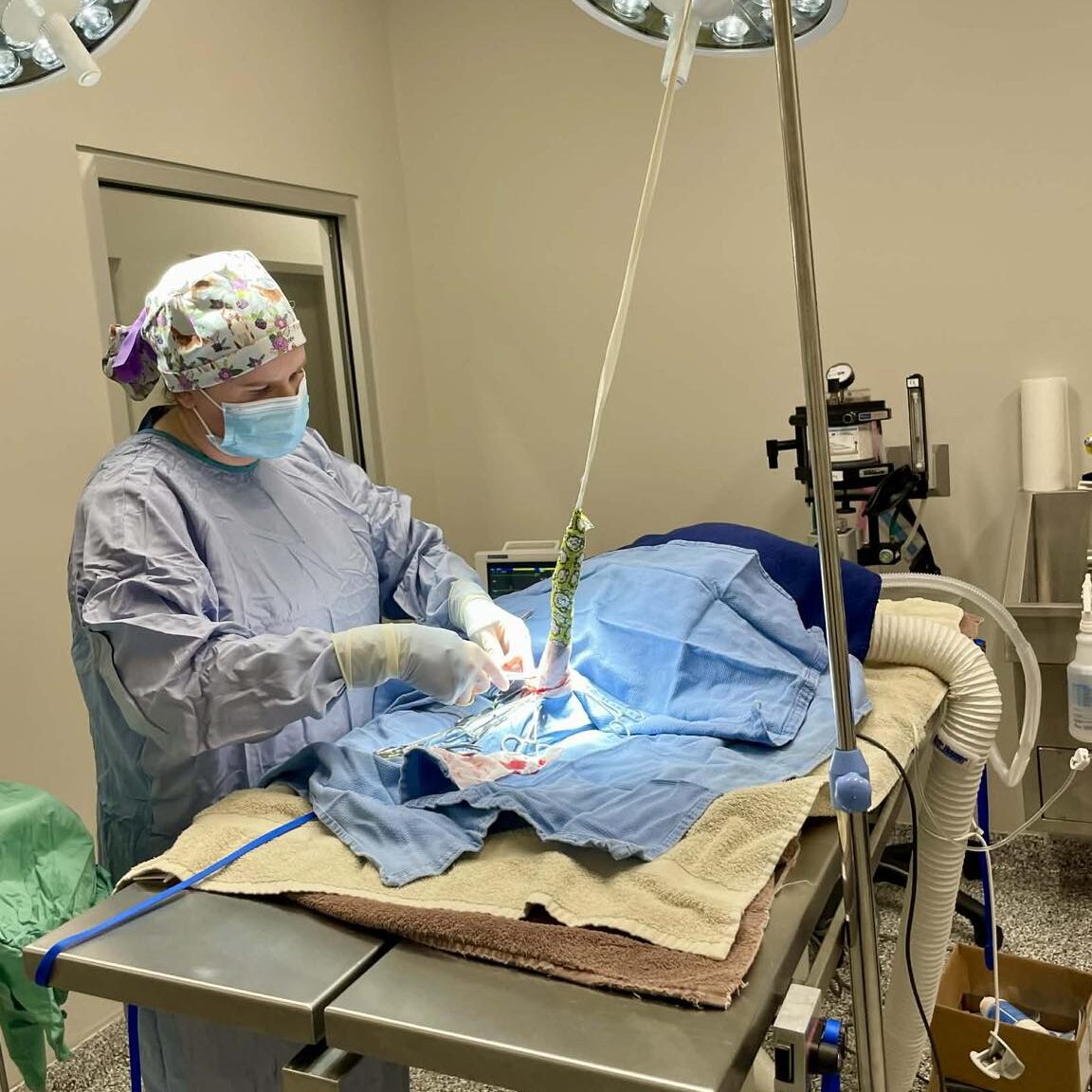
When a pet needs surgery, pet owners want two things: skilled medical care and a team they trust. Our Prairie Hills team delivers both. Our veterinarians perform cat and dog surgery in Cheyenne, WY in a dedicated surgical suite using modern monitoring equipment and carefully designed anesthesia protocols to support your pet's safety.
Our entire team approaches surgery with both precision and empathy. We take time to explain what your pet needs, what the procedure involves, and how recovery will look at home so you feel informed and supported from the beginning.
Reach out to our team to schedule a surgical consultation for your pet.
Surgical Procedures We Perform
Prairie Hills Animal Hospital is equipped to perform a wide range of soft tissue procedures for dogs and cats in our modern surgical suite. Our veterinarians are experienced in both routine and more complex surgeries that help pets recover from illness, injury, or chronic discomfort.
Common surgical procedures we perform include:
Spay and neuter surgery
Mass removals and lump biopsies
Cystotomies and bladder stone removal
Surgery for pyometra, a serious uterine infection
Gastrointestinal and abdominal exploratory surgery, including foreign body removal
Limb, tail, or digit amputations when needed due to trauma or disease
Enucleation (surgical removal of the eye) when severe disease or injury occurs
Aural hematoma repair to treat blood-filled ear swelling
For advanced orthopedic procedures such as knee stabilization or fracture repair, Prairie Hills works with a mobile orthopedic and specialty surgeon who performs these surgeries at our animal hospital on a scheduled basis.
Safety Measures Designed Around Your Pet
Careful preparation plays an important role in every surgical procedure. Our patients who are scheduled for surgery visit the hospital 48 hours before the procedure so we can perform pre-anesthetic blood testing.
This testing allows our veterinarians to evaluate organ function and identify any health concerns before anesthesia. If abnormalities appear, we can adjust medications, anesthesia protocols, or treatment plans to better support your pet's safety.
During surgery, pets receive:
A physical examination before anesthesia
IV catheter placement and IV fluids throughout surgery and recovery
Carefully managed anesthesia and pain control
Continuous monitoring of vital signs
Following surgery, pets recover in our quiet ICU recovery room, where warming kennels and monitoring equipment help keep patients comfortable while our team closely observes their progress.
Our team is here to guide you through the surgery process, answer your questions, and help your pet recover comfortably - reach out today.