

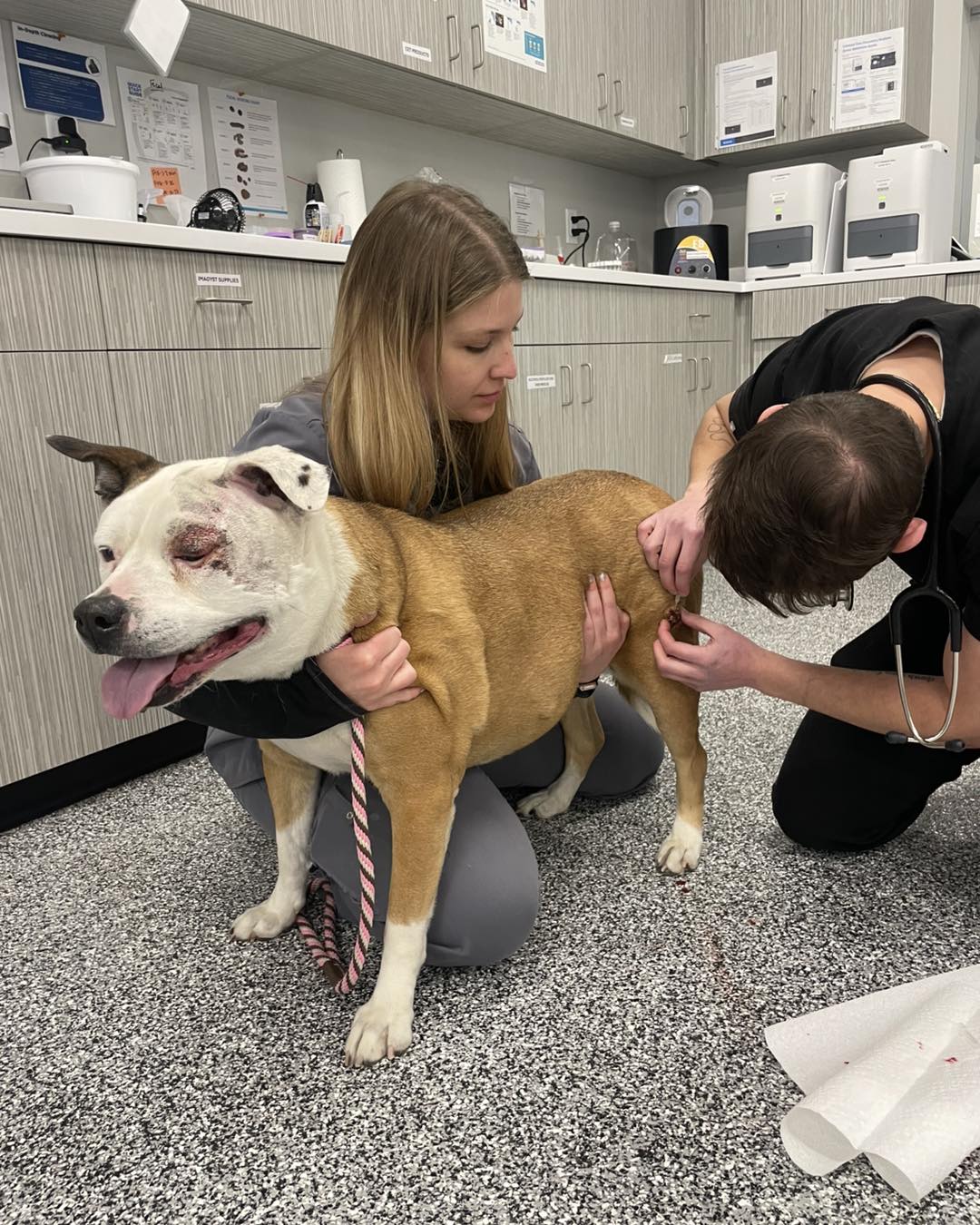
Many pet owners begin searching for answers when they notice their dog constantly scratching or licking their paws, or their cat pulling out fur and developing red or irritated skin. These symptoms are often linked to allergies or underlying skin conditions that require veterinary evaluation.
If your dog or cat is experiencing persistent itching, recurring ear infections, hair loss, or irritated skin, our team can help identify the cause and recommend a treatment plan. Prairie Hills Animal Hospital provides cat and dog allergy management in Cheyenne, WY to help pets find relief from ongoing skin irritation and allergy-related discomfort.
If your pet is experiencing itching, hair loss, ear infections, or skin irritation, contact us today to schedule an evaluation.
Signs of Skin Issues in Pets
Allergies and skin conditions often develop gradually, and the early signs can sometimes be easy to overlook. If symptoms continue or worsen over time, veterinary evaluation can help identify the cause and prevent ongoing discomfort.
Common signs of allergies or dermatologic conditions in pets include:
Persistent itching or scratching
Excessive licking or chewing, especially of the paws
Red, inflamed, or irritated skin
Hair loss or thinning coat
Recurrent ear infections or ear irritation
Skin rashes, scabs, or sores
Unusual odors coming from the skin or ears
Head shaking or rubbing the face against furniture or carpet
What Causes Skin Problems in Pets?
Skin issues in dogs and cats can develop for many reasons, and similar symptoms can have very different underlying causes. Persistent scratching, licking, or redness may signal allergies, infections, parasites, or other medical conditions.
Common causes of skin problems in pets include:
Environmental allergies such as pollen, grasses, or dust
Food sensitivities or dietary allergies
Flea allergy dermatitis
Bacterial or yeast skin infections
Parasites such as fleas or mites
Hormonal or metabolic conditions
Because these conditions can look similar on the surface, a thorough veterinary exam is often necessary to determine what is truly causing your pet's discomfort.
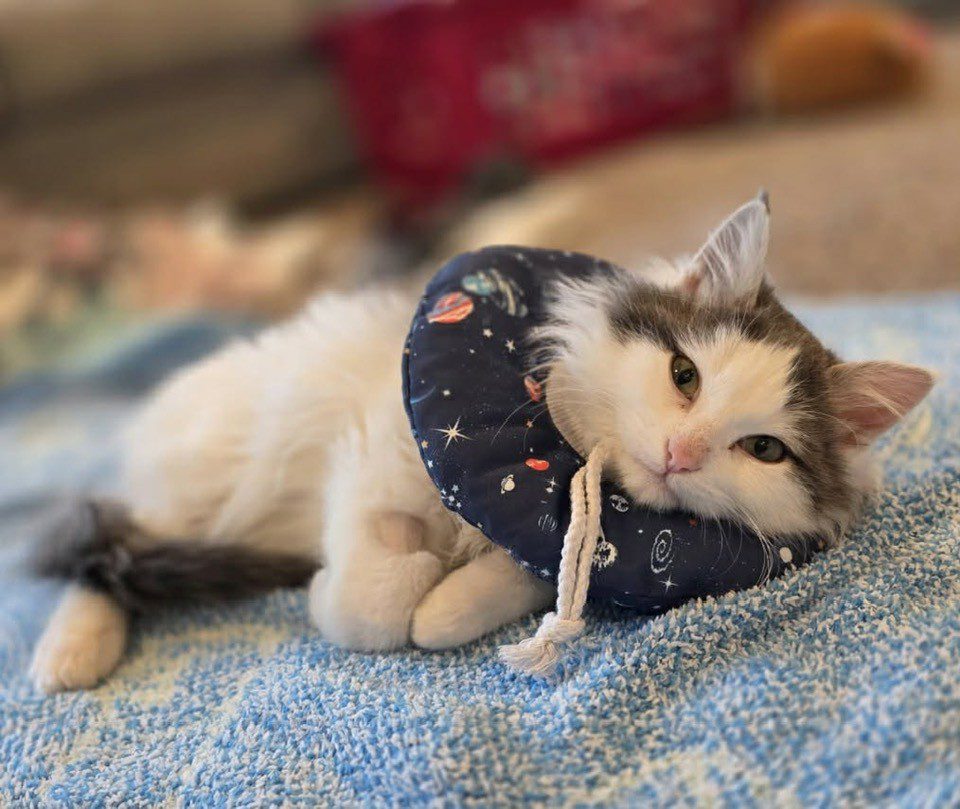
Diagnostic and Treatment Options
for Pet Skin Conditions
At Prairie Hills Animal Hospital, allergy and dermatology care begins with a careful examination and discussion about your pet's symptoms, environment, and daily routine. From there, our veterinarians may recommend diagnostic testing to help pinpoint the cause of the problem.
Diagnostic tools may include:
-
Skin and ear cytology to identify bacteria or yeast
-
Parasite testing to detect mites or fleas
-
Blood work to evaluate underlying health conditions
-
Food trials to investigate dietary sensitivities
-
Additional diagnostic tests when needed
Treatment plans may include:
-
Prescription medications to control itching and inflammation
-
Treatments for bacterial or yeast infections
-
Parasite prevention and control
-
Specialized diets for food-related allergies
-
Ongoing management plans for chronic allergies
Once the underlying cause has been identified, treatment can focus on helping your pet find relief and preventing flare-ups in the future.
Allergies and skin conditions can be frustrating for both pets and their families, but with the right diagnosis and treatment plan, many pets experience meaningful relief. If your pet is itchy and uncomfortable, contact us today to schedule an appointment.